
Seasonal HR Challenges: Preparing Your Business for Workforce Fluctuations


Understanding Seasonal HR Challenges
Businesses across various industries face unique challenges during different seasons. From retail to agriculture, workforce fluctuations can significantly impact operations. Recognizing these seasonal HR challenges is the first step in effectively preparing your business.
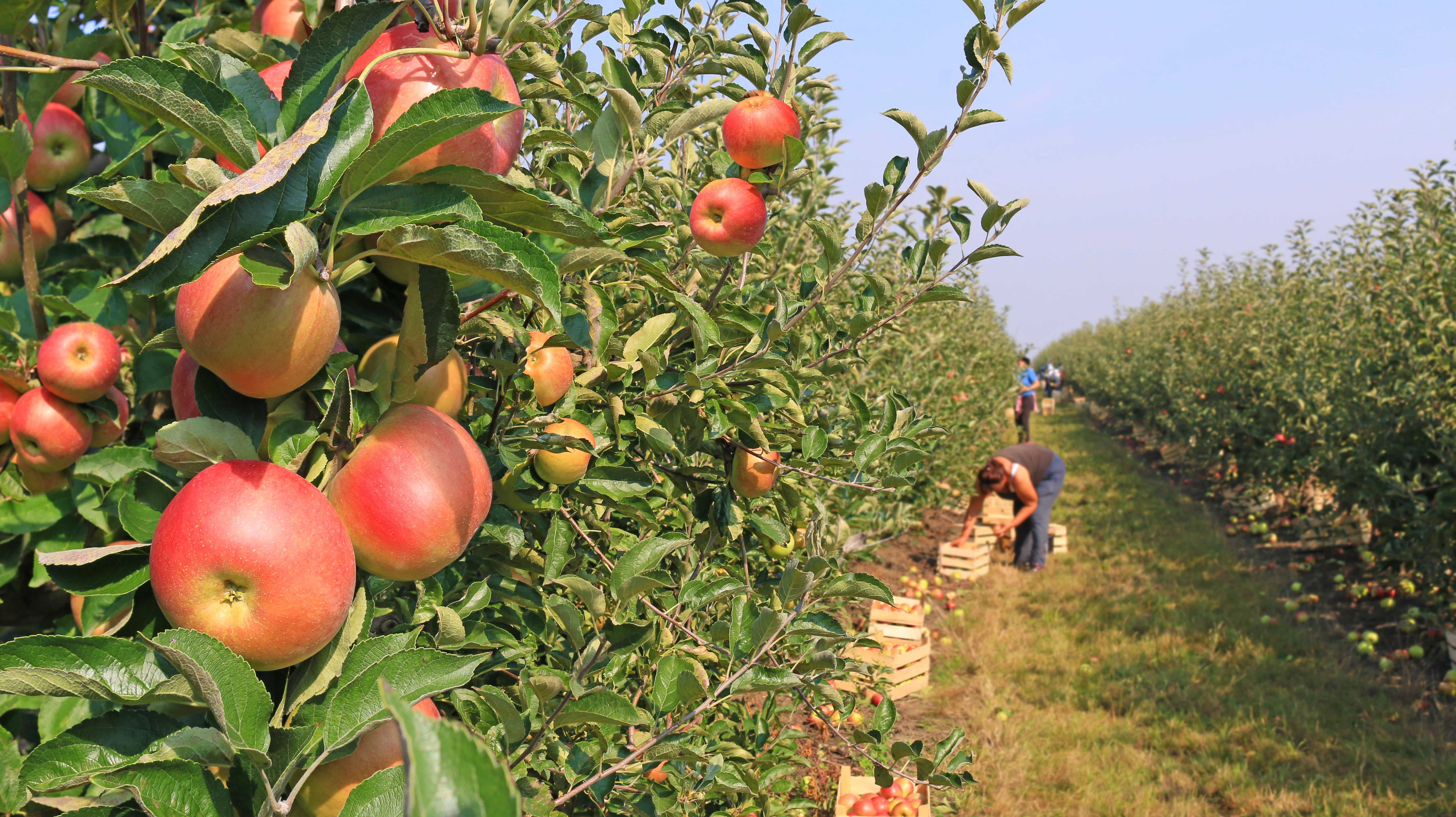
Understanding the patterns and trends specific to your industry is crucial. For example, retail businesses often see a surge in demand during the holiday season, requiring additional staff. Conversely, agricultural businesses may need more workers during planting and harvest times. Identifying these patterns helps in strategic planning.
Strategic Workforce Planning
Once you have identified your business's specific seasonal needs, it’s essential to develop a strategic workforce plan. This plan should address recruitment, training, and retention strategies tailored to seasonal demands.
Begin by analyzing past data to forecast future needs. This includes understanding the number of employees required, skills needed, and the duration of employment. By planning ahead, you can avoid last-minute hiring and ensure a smooth transition during peak times.
Recruitment and Training
Recruiting the right talent is crucial, especially when time is of the essence. Develop a recruitment strategy that highlights the benefits of seasonal employment, such as flexible hours or the opportunity for permanent positions. Use online job portals, social media, and local recruitment agencies to reach a broader audience.

Once hired, ensure that new employees receive comprehensive training. This not only equips them with the necessary skills but also integrates them into your company culture, improving overall performance and morale.
Retention and Employee Engagement
Retaining skilled seasonal employees can reduce future recruitment costs and improve efficiency. Consider offering incentives such as end-of-season bonuses or the possibility of permanent positions for outstanding performers.
Employee engagement is another critical factor. Keep seasonal workers motivated by providing regular feedback, recognizing achievements, and fostering a supportive work environment.
Leveraging Technology
Utilizing technology can streamline many HR processes. Implement HR software to manage schedules, track performance, and facilitate communication. This can significantly enhance productivity and reduce administrative burdens.

Additionally, consider using data analytics to gain insights into workforce trends, helping you make informed decisions and improve future seasonal planning.
Conclusion
Preparing for seasonal workforce fluctuations requires a proactive approach. By understanding your specific challenges, planning strategically, and leveraging technology, you can ensure your business runs smoothly during peak times. Effective management of seasonal HR challenges not only meets immediate needs but also contributes to long-term success.