
Innovative HR Trends Shaping the Future of Work


Introduction to Innovative HR Trends
The landscape of work is evolving at an unprecedented pace, driven by rapid technological advancements and changing workforce expectations. As a result, Human Resources (HR) is at the forefront of this transformation, adopting innovative trends that are redefining the future of work. In this blog post, we'll explore some of the most impactful HR trends that are shaping how organizations operate and engage with their employees.

Embracing Artificial Intelligence in HR
Artificial Intelligence (AI) is revolutionizing the HR industry by streamlining processes and enhancing decision-making. AI-powered tools are being used for recruiting, onboarding, and employee engagement. They help in reducing bias, improving efficiency, and providing a personalized experience for employees. Companies are leveraging AI to analyze vast amounts of data to make informed HR decisions and predict future trends.
One notable application of AI in HR is the use of chatbots for real-time communication. These chatbots handle routine queries, freeing up HR professionals to focus on more strategic tasks. The integration of AI is not just a trend but a necessity for organizations aiming to stay competitive in an increasingly digital world.
Focus on Employee Well-being
Employee well-being has become a critical focus area for organizations striving to create a supportive work environment. Companies are implementing wellness programs that address mental, physical, and emotional health. These programs often include flexible working hours, mental health days, and wellness resources.

By prioritizing well-being, organizations not only enhance productivity but also foster loyalty and reduce turnover rates. This holistic approach to employee care is becoming a cornerstone of modern HR strategies.
Remote and Hybrid Work Models
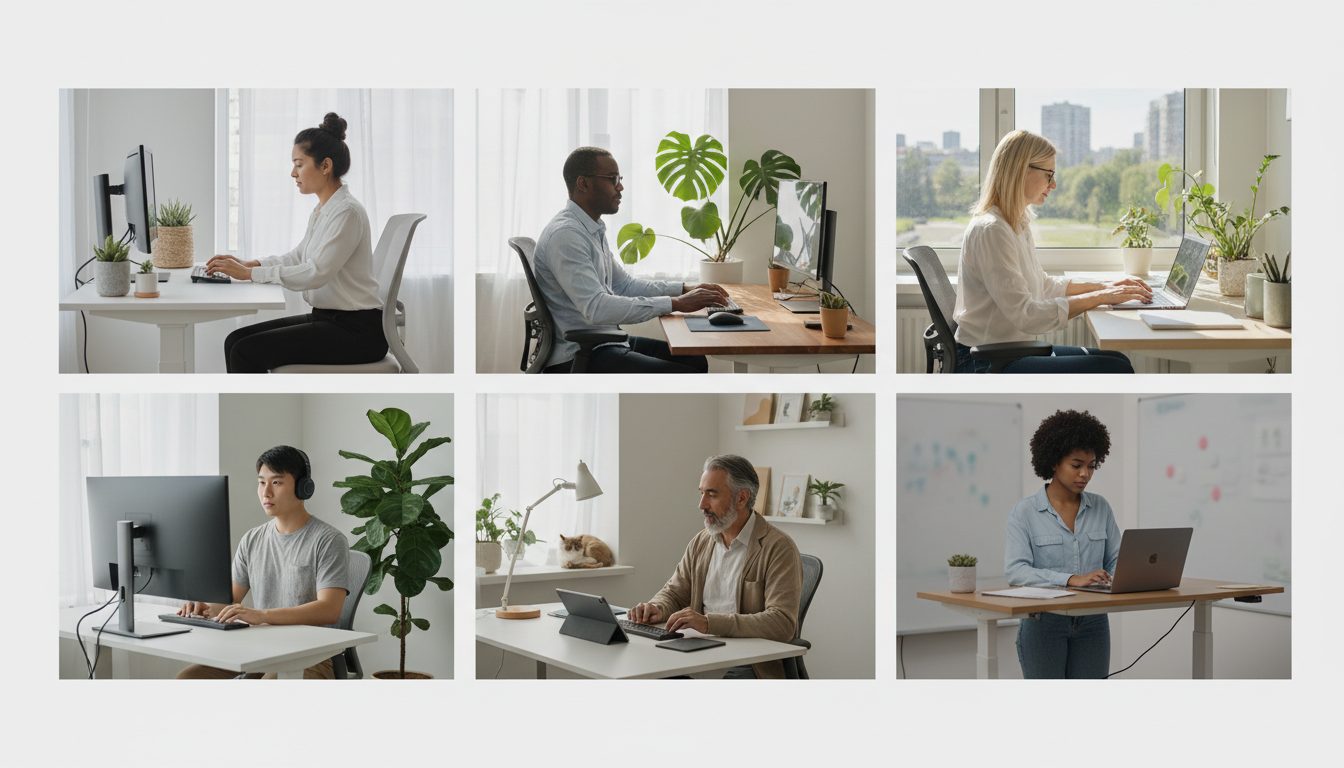
The global pandemic accelerated the adoption of remote work, and it is here to stay. Many organizations are transitioning to hybrid work models that combine remote and in-office work. This flexibility supports work-life balance and can lead to increased job satisfaction.
HR departments are now tasked with developing policies and practices that support this new way of working. This includes ensuring access to necessary technology, creating virtual engagement strategies, and addressing challenges related to remote work communication.
Data-Driven HR Decisions
Data analytics is empowering HR professionals to make more informed decisions. By leveraging data, HR can gain insights into employee performance, satisfaction, and retention. This data-driven approach enables organizations to identify trends, address issues proactively, and tailor strategies to meet the needs of their workforce.
Moreover, data analytics helps in measuring the effectiveness of HR initiatives, providing a clear picture of what works and what doesn't. As a result, HR departments are becoming strategic partners in driving business success.
Diversity, Equity, and Inclusion (DEI)
Diversity, Equity, and Inclusion (DEI) are more than just buzzwords; they are essential components of a thriving workplace. Companies are increasingly recognizing the importance of fostering a diverse and inclusive culture. DEI initiatives focus on ensuring equal opportunities and creating an environment where all employees feel valued and respected.
Organizations are implementing training programs, revising hiring practices, and actively seeking to eliminate biases. By embracing DEI, companies not only reflect societal values but also drive innovation and performance.

Conclusion
The future of work is being shaped by innovative HR trends that emphasize technology, well-being, flexibility, data, and inclusivity. By staying ahead of these trends, organizations can create a dynamic work environment that attracts and retains top talent. As HR continues to evolve, the focus will remain on creating a harmonious and productive workplace that meets the needs of both employees and employers.